My musical life has been on a pretty serious microtonal kick lately. As someone who has always been somewhat dissonance-seeking in music this is probably the logical outcome. Microtonality is one of the things I’ve always found appealing about Chinese, Indian, and Arabic music. It’s a world of flavors we don’t have in classical music. And I’ve been at the buffet.
The science of tuning is fascinating, but when I try to talk to students about it they start to regard me with some suspicion as a possible crackpot. Many sidelong glances are exchanged around the room when I tell them the piano is a profoundly out of tune instrument and has ruined our ears for pure intervals. But it’s true! There are so many interesting and expressive sounds we have learned to hear as out of tune because they don’t accord with our reductionistic approach to tuning for convenience. (Don’t ask me how I feel about auto-tune.)
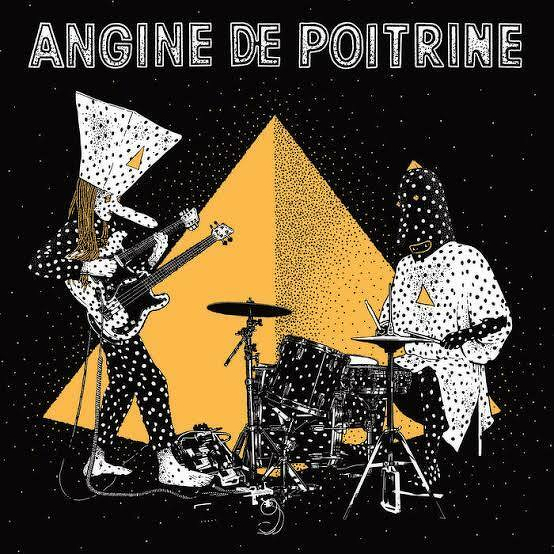
What kicked all this off was the sensation out of Canada, Angine de Poitrine. I’m not into the goofy costumes and performance art aspects of any of this but the music is so interesting. My introduction came (along with about 2 million other people) from Rick Beato on YouTube. If there’s anyone right now that can make a difference in the growth of a group, it’s Rick with his commentary and high standard of taste.
Hearing this kind of smart, prog/math rock is so refreshing. The nearest analog I can think of is my favorite Baltimore band, Horse Lords. The combination of complex rhythms and quarter tones is just enough to make this stick, but the loop-pedal nature of playing as a duo means the material is limited so you can get used to it. The YouTube comments on their videos are hilarious, but the consensus of those that like it is that it is something like a rebellion against the aesthetic averager that is AI-generated music.
Everyone else in my household absolutely hates this. The children shriek in horror. You might too.
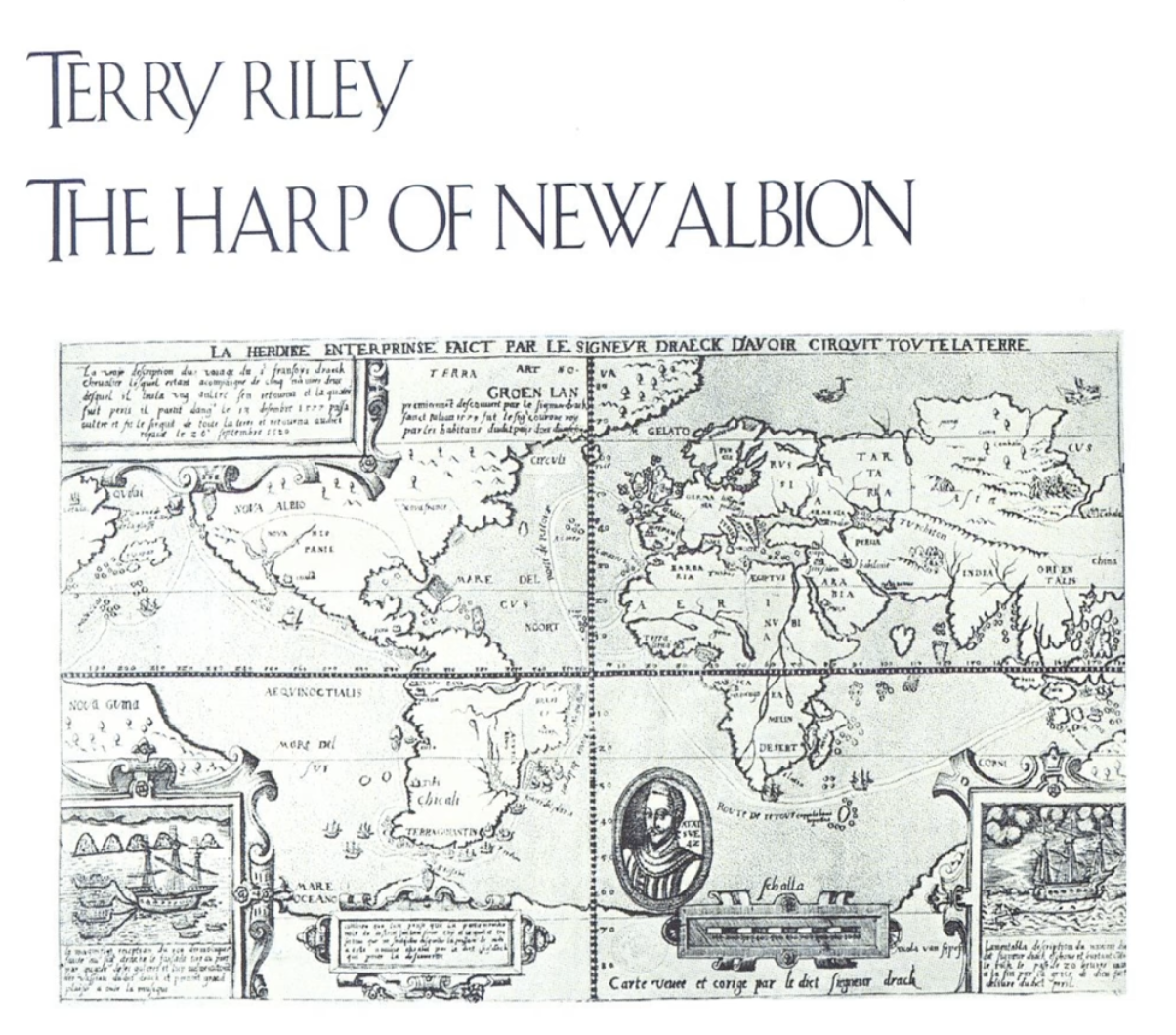
Doing some more reading about tuning theory led me to this absolute gem from one of my favorite composers, Terry Riley’s The Harp of New Albion. I’ve read about La Monte Young’s The Well-Tuned Piano pretty extensively, but somehow missed the existence of Riley’s counterpart, a full length exploration of five-limit just intonation (as usual, Ethan Hein has you covered if you want to go deep on how this works).
These sonorities are so rich and expressive, much more alive than a piano in equal-temperament. As Riley once put it, “Western music is so fast because it’s out of tune.”
And of course the best information I can find about this with some tuning analysis is from a good old-fashioned blogspot blog.
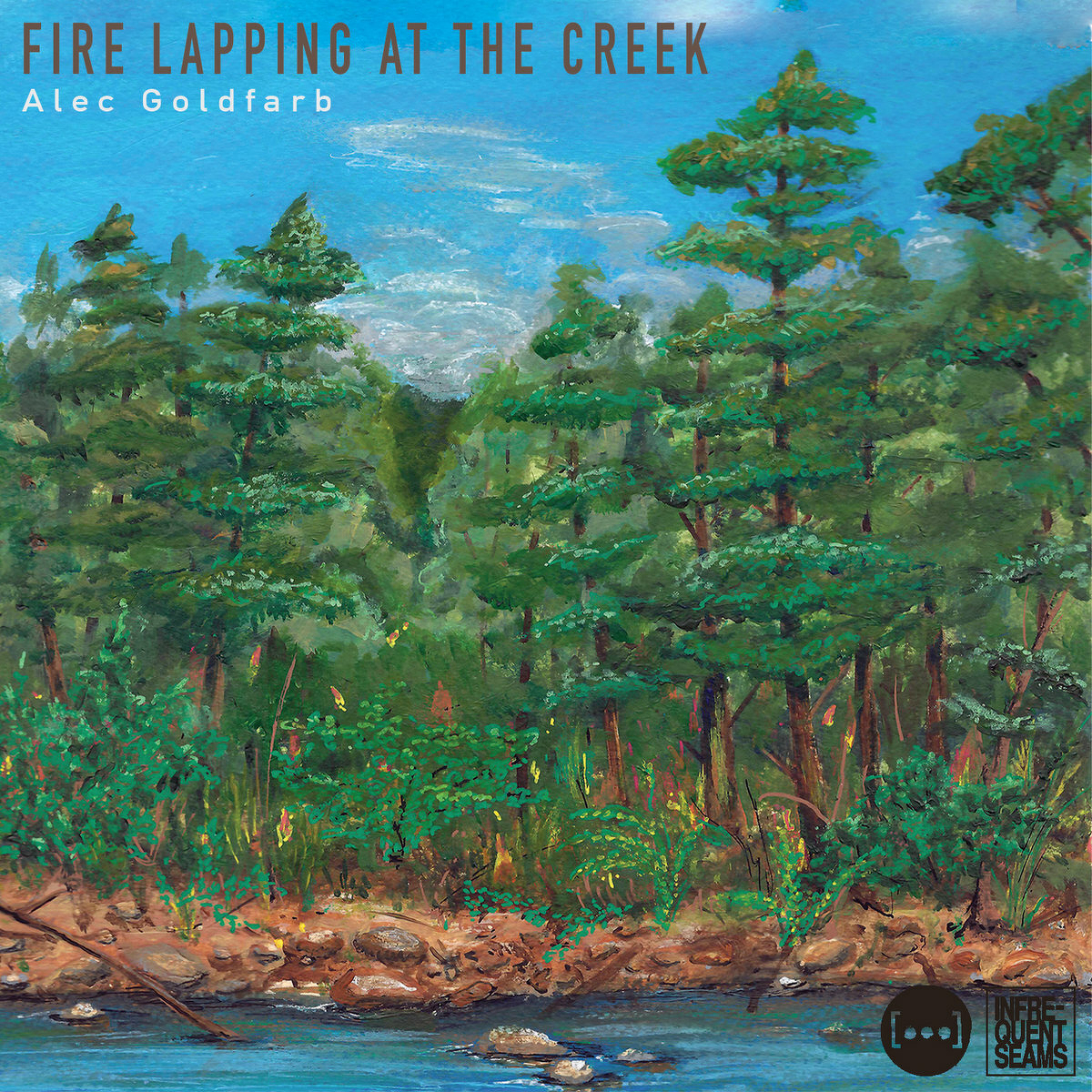
All this reminded me of an album I got deep into a year or so ago. Alec Goldfarb’s microtonal take on the blues. His bio says that Hindustani classical music is one of his major influences. The synthesis of blues guitar and sitar playing is really quite something. This is not easy-listening in any sense, but hearing the tropes and habits of two wildly different styles merged is compelling. This music was clearly made by very serious-minded musicians that approach this project with earnestness.